Table of Content
Best 3000 watt inverter generator is important to powering a whole bunch of electronics, which can include a variety of devices, from smartphone chargers to refrigerators and TVs. This generator guide would be incomplete if we did not consider the situation related to the generator sizing method. First, the size of the generator is directly related to its output power. This choice must be approached very rationally in view of the fact that buying too large a generator may not be justified. With the same success, you can save too much and buy a generator with oversized power that will not be enough for all your devices. Thus, always calculate in advance the amount of energy you need and select the generator according to your needs.

After the load calculation and determining the size, you have to think about the location where you want to install the generator. You can’t just randomly pick a generator and install; space and the site have to match. If you live in a small place or up on the hill and you need a big generator, then it is impossible.
Recreational Inverter
Check if there is sufficient oil level to protect the engine from damage. Solar and Wind.In the case of solar and wind generators, run-time might also be related to the level of storage your batteries have. Weight considerations are more important in cases where generators are portable than in situations where they are placed in a fixed position.
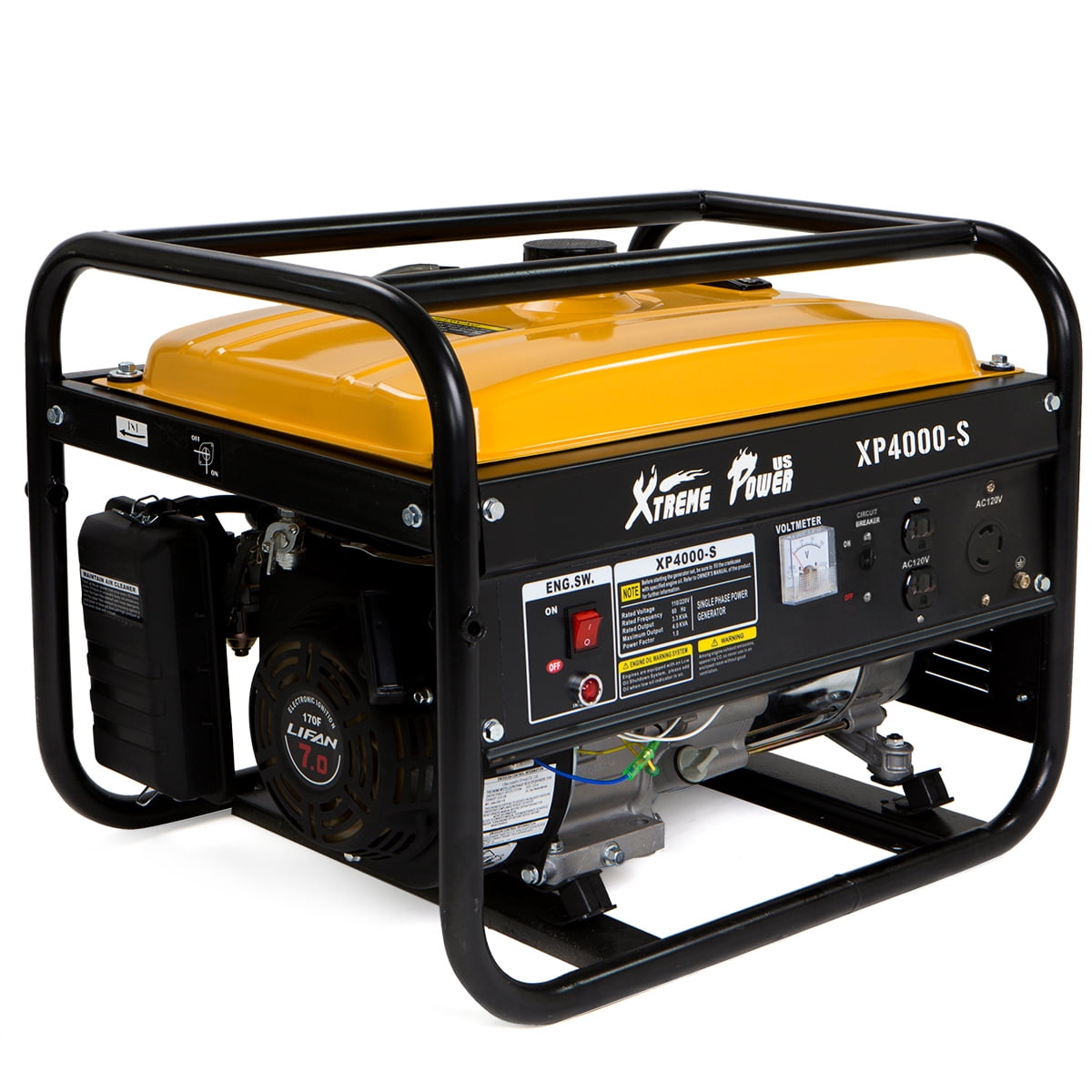
However, natural gas isn’t an option for portable generators, and it’s not practical if you don’t have natural gas service at home. According to the EIA, propane currently costs about $2 per gallon, which is cheaper than the average price per gallon for gasoline. Propane-burning portable generators tend to be a little bit pricier than gasoline-burning ones, but they also last longer and cost less to maintain. Standby generators crank out a lot more power than portable ones.
Picking the Right Wattage
In the United States, the average home would use a 200-amp transfer switch. However, if your home is small, 100 to 150 amps may be what you need. You can determine the minimum storage capacity by adding the lead-time stock plus the emergency stock. Lead-time stock describes the fuel amount that you need for your generator to work during the lead-time. Emergency stock describes the fuel that you have available to account for delays or the need for more fuel that you initially anticipated.
Dual-fueled generators run on both gas and propane, making them versatile machines. Keep in mind that propane is less expensive than gas and easier to store, so avoid buying a generator that only runs on gas. Generators provide alternate power from the regular electrical grid whenever that power is not available for a wide variety of reasons. If your area experiences outages frequently, you might want to plan financing for a larger standby generator. But if they’re less common, a more affordable portable generator may make more sense. If you don’t have a transfer switch, make sure you’re plugging your appliances into the generator properly.
How Much Power Do You Need
In addition, generators for home usually have several outlets for direct connection and themselves, too, can be connected to instruments and devices through ordinary sockets. Emergency Backup.Those for emergency backup power might need to be able to run for several days or even weeks. With a little knowledge and preparation, you can protect yourself, your home and your belongings during power outages of any duration. If you want your generator to be ready to go when the power grid goes down, you need to maintain it properly. The manual should provide details about taking care of your generator, but there are some basic guidelines everyone should follow.

"If you're not home when there's a bad storm and the power goes out, a standby generator comes on automatically," says Koether. Gas-powered generators can produce carbon monoxide, an odorless and deadly gas. To avoid carbon monoxide poisoning, never use a generator indoors or in an enclosed space. Be sure to keep it at least 20 feet away from your home’s windows and doors and make sure you have a carbon monoxide detector nearby.
You get all of the power that you need to keep your home’s electricity running during a power outage. However, it is imperative that they are placed properly and well-ventilated. If you experience power outages less than once a year, they are considered rare for your area. A recreational inverter generator or a midsized inverter generator are good choices.

Try to make extra space in your location for the generator before getting one. You have to decide for how long you will run the generator because the maximum capacity of a generator to run is 30 minutes. If you want to run the generator longer than 30 minutes, then take the generator size that can supply power with the capacity of 70%-80%. The most important part of choosing a transfer switch is determining the correct amperage.
Standby generators are the most expensive option but also the most powerful and reliable. These generator systems are permanently installed outside your home and typically run on natural gas or propane. Standby generators kick on automatically in the event of a power outage.

However, the most versatile models, known as dual-fuel generators, can run on either one. This feature adds about $100 to the cost of a generator, according to Portable Generator Grader. There are even tri-fuel generators that can run on gasoline, propane, or natural gas, but these are very rare. It should be noted, though, that connecting a portable generator to your home’s circuit breaker often costs as much as the generator itself. A recreational inverter is a reasonable choice if you are on the go, if your home rarely loses power or if you’re looking for something easy to store.
Since propane supplies 0.73 times as much energy per gallon as gasoline, that’s equivalent to about 16 to 28 gallons of propane. However, you probably don’t need to keep your generator running 24/7. Turning it on once every few hours could be enough to power your essential appliances, such as the fridge and freezer. Food and Drug Administration, food will typically stay cold for about four hours in an unopened refrigerator and around two days in a full, unopened freezer. You can store propane indefinitely, but gasoline needs to be fresh or the generator might not run properly. Experts recommend adding a fuel stabilizer, which keeps gasoline in cans good for up to a year.
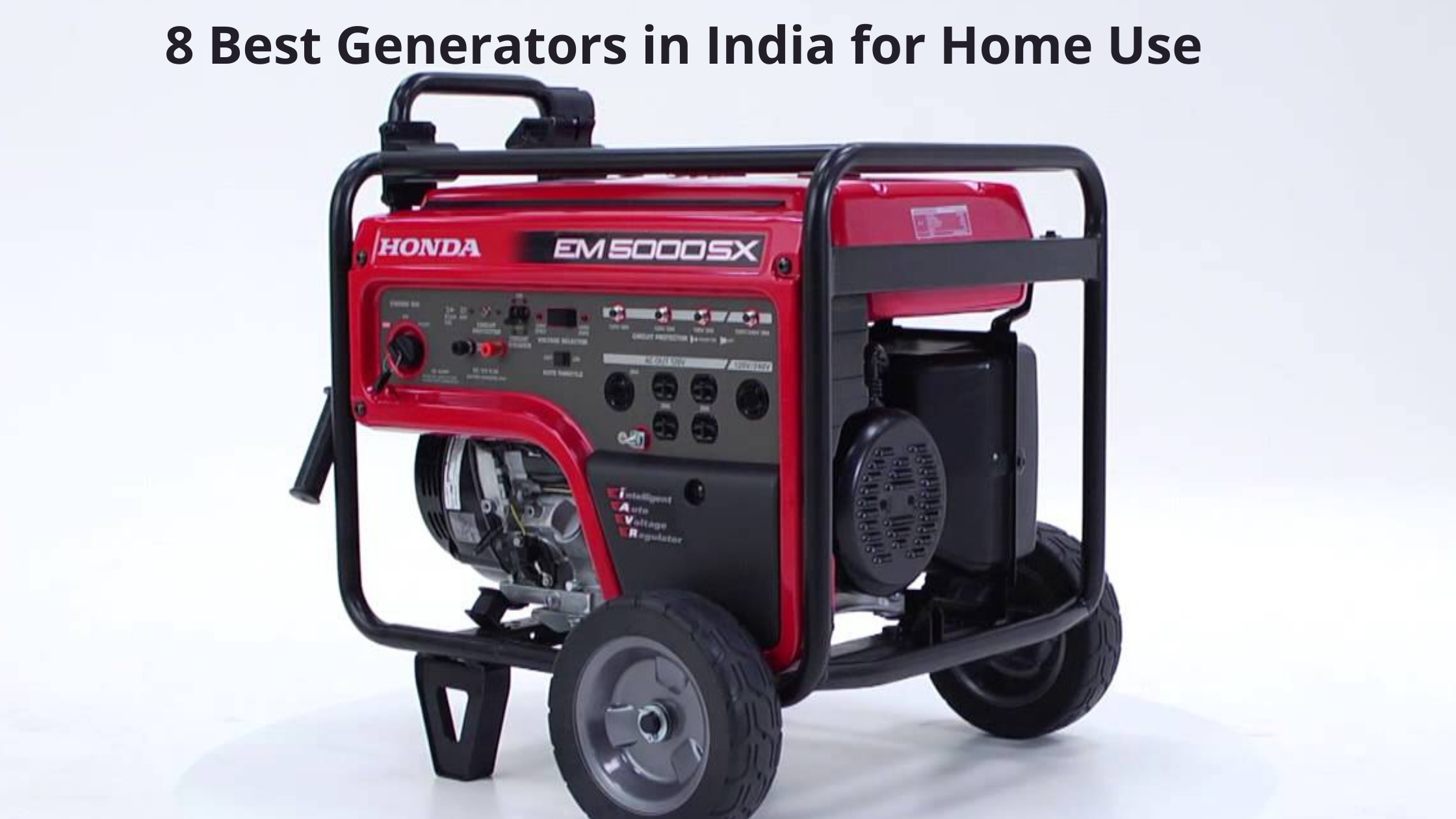
I have a 6,500 watt portable generator, and it runs my entire house with power to spare. The generator surges when the well pump kicks in or the furnace turns on, but that's about it. The power meters on our transfer panel rarely move past 25%. You may also need to calculate the starting wattage of any appliances with electric motors like your fridge, sump pump, or air conditioner. Most appliances with a motor have a surge wattage that’s 2-3 times their running wattage.




No comments:
Post a Comment